Preeminent Solutions Engineering

TOP MOST DANGEROUS SIGNS OF CONCRETE MASONRY CRACKING (AND WHAT TO DO ABOUT IT)

Crack growth is a constant and persistent threat to the longevity and integrity of reinforced Concrete Masonry Unit (CMU) structures. 

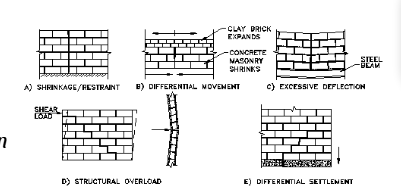
Severe CMU cracking may indicate deeper structural or foundation issues such as differential movement, differential settlement, excessive deflection, structural overload, defective construction, and improper design. 

Likewise, severe CMU cracking may create entry points for water intrusion, leading to reduced load capacity, corrosion of steel reinforcement, mold, and other issues.  

Below are the top, most dangerous types of CMU cracking and tips to address them.

Horizontal Cracking:

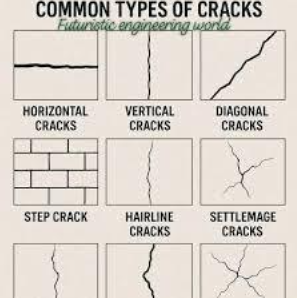
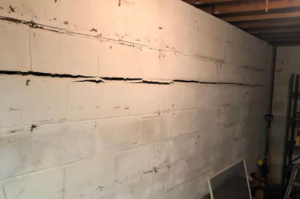
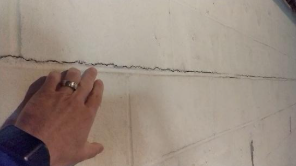
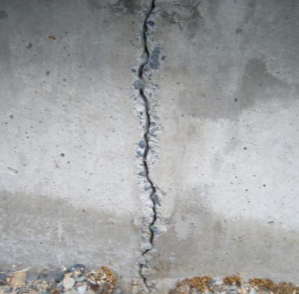
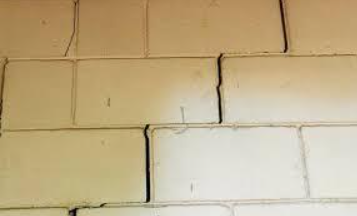
Topping the list as one of the most dangerous types of cracks, horizontal cracking, especially in walls and columns, may indicate overburdening of the structural elements.
Potential causes for horizontal cracking include, but are not limited to, eccentric loading, differential settlement, excessive deflection, and site/environmental conditions (i.e. hydrostatic pressure and frost heave.)

Similar to reinforced concrete, reinforced CMU units typically fail in a quasi-brittle, non-ductile manner (i.e. with little to no plastic deformation.)

Severe horizontal cracking – and most notably horizontal cracking with bulging – may require the immediate attention of a qualified structural engineer in addition to the cessation of operations within the vicinity of the defective member.

To address horizontal cracking temporary supports and shoring may be installed until a more permanent solution is implemented.

If your facility is exhibiting signs of horizontal cracking consult a licensed structural engineer as soon as possible.

Vertical Cracking:

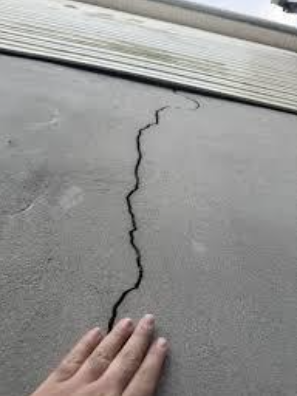
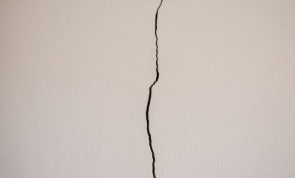
In second place is vertical cracking, especially in flexural members, such as beams and slabs.

Severe vertical cracking, especially at the mid-span of flexural members (i.e. beams and slabs), may indicate flexural overburdening and excessive deflection.


Similarly severe vertical cracking may indicate overburdening of supporting non-CMU structural members (i.e. steel girders or lintels that support CMU elements.) Such overburdening often indicates a deeper issue of structural instability.

Potential causes of vertical cracking include, but are not limited to, excessive loading, differential movement, and thermal movement.

Similar to horizontal cracking, severe vertical cracking may require the immediate attention of a qualified structural engineer.
If your facility is exhibiting signs of severe vertical cracking consult a licensed structural engineer sooner than later.

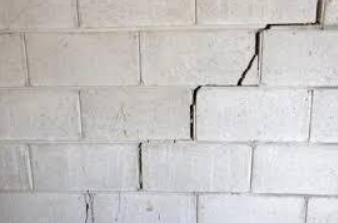
Stepwise Cracking:

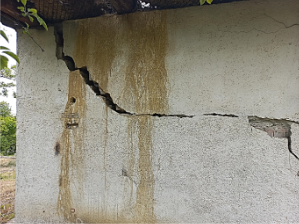
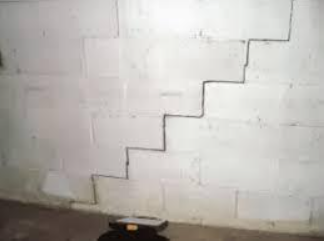
In third place is stepwise cracking especially in CMU walls.

Severe stepwise cracking may indicate differential movement, differential settlement, and structural overburdening.

Likewise, especially in structures such as retaining walls, severe stepwise cracking may indicate structural overburdening due to excessive soil pressure.

If your facility is exhibiting signs of severe stepwise cracking consult a licensed structural engineer.


Early detection through regular visual inspections and non-destructive testing is crucial to manage and mitigate further damage to reinforced concrete masonry structures. 

Vanessa Malone, P.E.
Principal | Preeminent Solutions, Inc.
📞 (321) 244-8699 | (407) 901-0133
✉️ info@psengrinc.com
🌐 www.psengrinc.com


Author

  • 1735826439175

    Vanessa Malone, P.E. is the Owner of Preeminent Solutions, Inc.

    She is a licensed civil / structural engineer with almost 15 years’ experience in civil/structural design, forensics, and expert work.

    She is licensed in Florida, California, Texas, Washington D.C., Virginia, Maryland, New York, New Jersey, Louisiana, Georgia, Mississippi, North Carolina Tennessee, and several other states and territories.

    She has worked with Thornton Tomasetti, Westinghouse, NASA, NOAA, the Navy, Southern Nuclear, General Electric, Bechtel, and other companies.

    Malone is a first generation American. She first emigrated to the continental United States almost 20 years ago.

    Malone shares her love of engineering through her company and through her interactions with other firms.

    Thank you and we look forward to serving you!