Overview
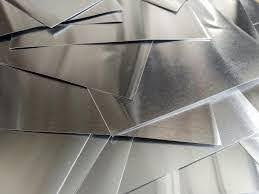
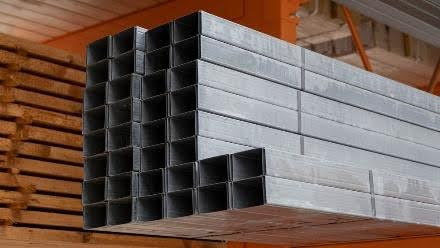
Within the civil/structural engineering community, aluminum is typically relegated to the role of specialty metals with purposes limited to aeronautical design, aviation design, or auxiliary element design (such as decking or auxiliary trusses in bridges.)
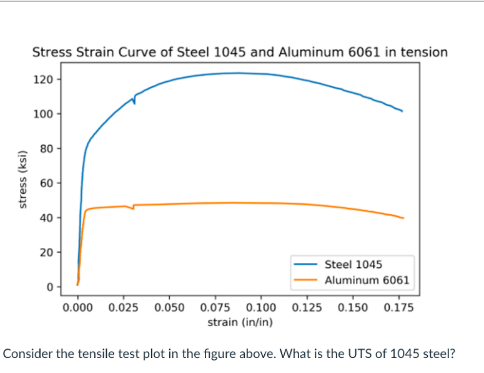
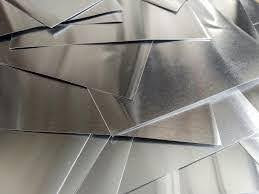
Known for its light weight and durable composition, aluminum possesses roughly 1/3rd the stiffness of steel (EAluminum = 10,000ksi vs. ESteel = 29,000 ksi). Similarly, aluminum possesses roughly 1/3rd the density of steel (ρAluminum 2.7 g/cm³ vs. ρSteel = 7.85 g/cm³ ).
That said, what aluminum lacks in strength, it more than makes up for in linear elastic isotropic behavior and corrosion-resistance making it an ideal candidate for humid or marine environments.

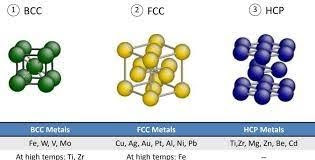
As a material, aluminum is durable and exhibits a similar linear elastic isotropic behavior and a similar cubic crystalline lattice structure typical of steel.
Common forms of structural aluminum include
6061-T6 (Very Common): One of the most common aluminum alloys for general structural applications, including
bridges, towers, truck frames, and pipelines. It offers a strong, heat-treatable balance of strength, weldability, and corrosion resistance.
6005/6005A (Increased Strength): This aluminum alloy is a relatively hardier alloy than 6061-T6. This alloy is often utilized in structural applications needing superior mechanical properties compared to 6061.
5083/5052 (Marine Tolerant): This aluminum alloy generally exhibits excellent corrosion resistance, in marine environments, making them ideal for shipbuilding, pressure vessels, and welded structures.
7075 (High-Strength): This aluminum alloy is used for highly stressed structural components common in aerospace, aviation, and defense. This aluminum alloy typically maximizes the strength-to-weight ratio, leading to durable but lightweight structures.
Below are the top indicators of aluminum corrosion in humid or marine environments.
2. So, What Are the Signs of Deterioration?
![]()
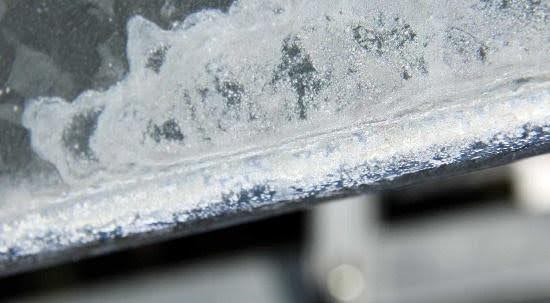
1. Corrosion / White Powdery Residue Formation
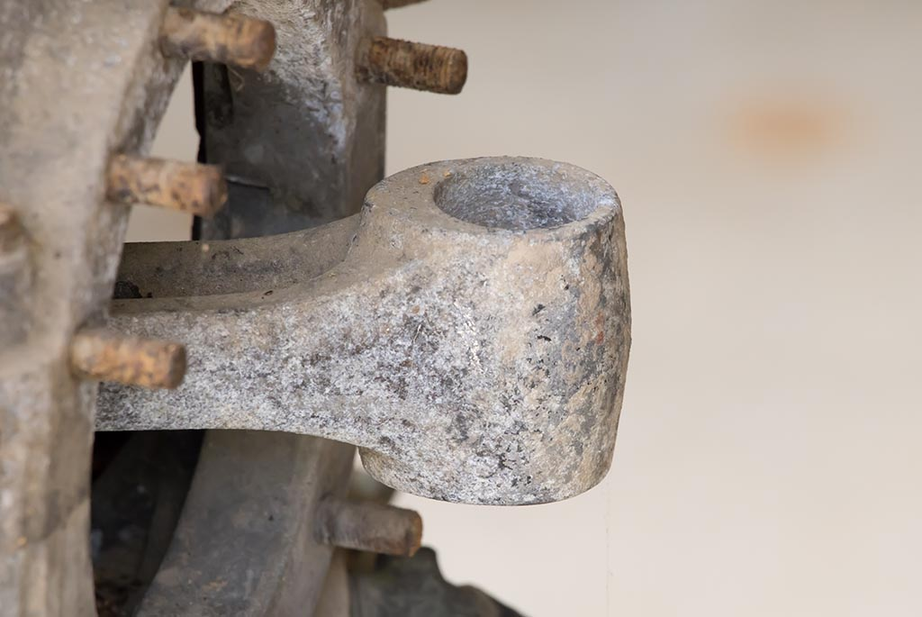
Aluminum corrosion involves the formation of white powdery deposits aluminum oxide (Al2O3) on the metal surface.
Note: Aluminum’s corrosion resistance (i.e. resistance to degradation via oxidation) is in part due to the self-containing, non-porous structure of Aluminum Oxide (Al2O3).
Aluminum Oxide (Al2O3) is the result of aluminum oxidation. Aluminum Oxide results in the formation of a matte, gray/white seal on the base metal surface.
This is a sharp contrast to rust (i.e. steel corrosion) which is the result of steel/iron oxidation.
Where rust is characterized by flaky, porous, irregular red deposits of hydrous iron(III) oxides (Fe2O3·nH2O) and iron(III) oxide-hydroxide (FeO(OH), Fe(OH)3), Aluminum Oxide (Al2O3) is characterized by a matte, stable seal on the base metal surface.
This seal protects the underlying base metal resulting in increased longevity and making the metal ideal for marine environments.
2. Surface Dulling / Loss of Metallic Sheen
As noted above, aluminum oxidation results in the formation of a matte, gray/white seal on the base metal surface, Aluminum Oxide (Al2O3).
This matte appearance reduces the natural metallic shine of aluminum resulting in a dulled appearance.
It is important to monitor and preemptively prevent deterioration by properly coating metals exposed to marine environments.
It is advised to consult structural engineer or materials specialist for further details.
3. Pitting (Localized Attacks in Metal)
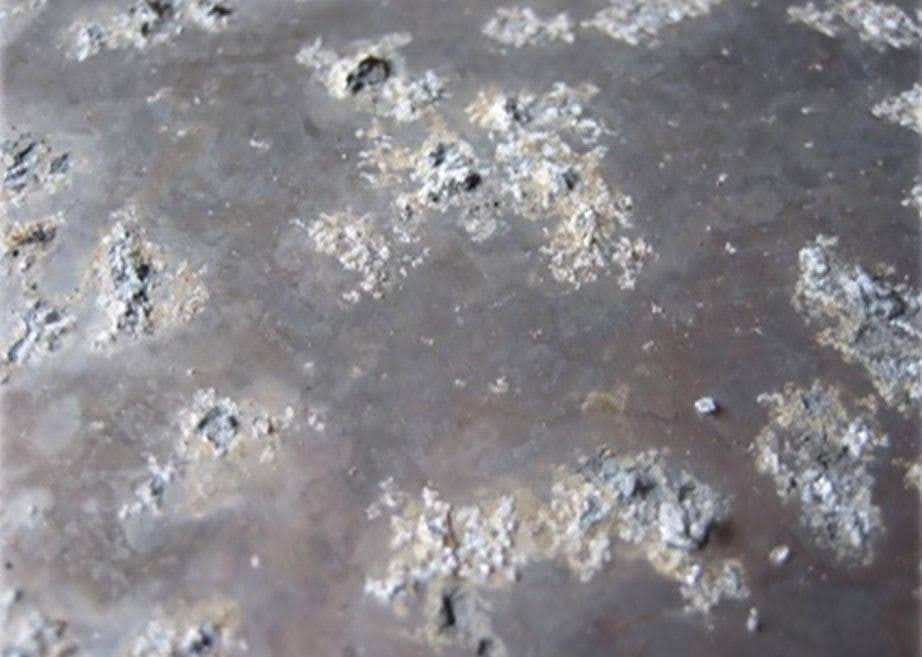
Pitting involves the formation of small pinholes or craters in the aluminum metal surface.
Such cavities indicate localized attack and are common in chloride-rich environments (i.e. splash zones in marine environments).
It is advised to consult structural engineer and to repair pitting sooner than later
4. Blistering / Flaking of Coatings
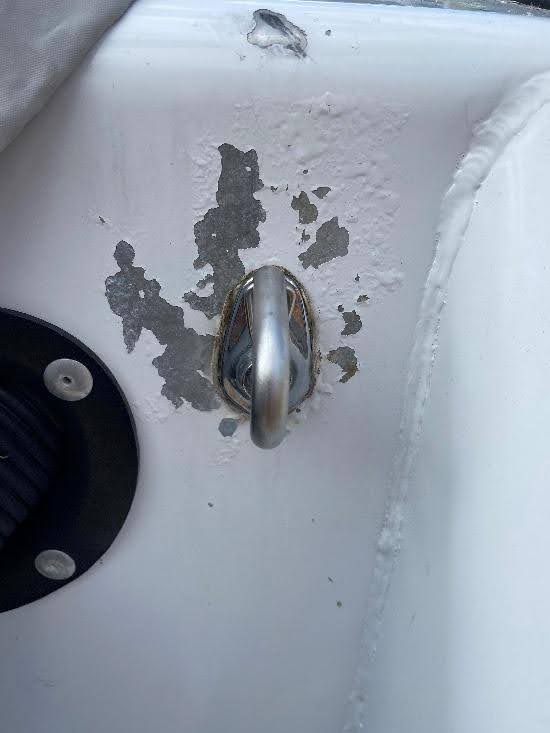
In the case of coated metals, blistering or flaking may occur due to the formation of an Aluminum Oxide (Al2O3) layer in between the base metal and the coating.
Such blistering of flaking can affect the long-term performance of a structure.
It is advised to consult structural engineer or materials specialist for further details.
Early detection through regular visual inspections and non-destructive testing is crucial to manage and mitigate further damage to structures.
When You and Your Team Need Civil/Structural Support
Give Us A Call!
Vanessa Malone, P.E.
Principal | Preeminent Solutions, Inc.
📞 (321) 244-8699 | (407) 901-0133
✉️ info@psengrinc.com
🌐 www.psengrinc.com