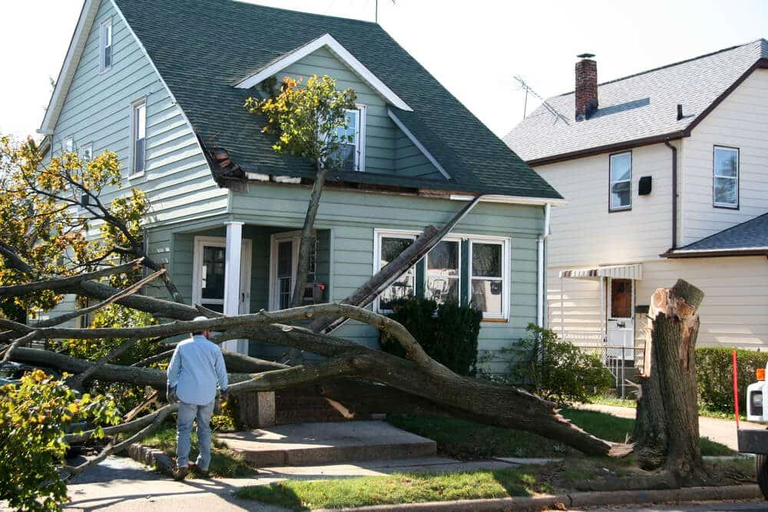
Do I need a structural engineer for wind damage insurance claim?
3 min read
Here’s why you might need a structural engineer for a wind damage claim:
1. Assessing Structural Damage
Why: High winds, especially in the case of storms or hurricanes, can compromise the structural integrity of your building. Wind may damage or lift parts of the roof, blow out windows or doors, cause walls to bow or crack, or even cause the foundation to shift. A structural engineer can assess how these issues affect the building’s overall safety.
Action: The engineer will inspect the affected areas (roof, foundation, walls) to determine if the structural components have been damaged and if the building is still safe to inhabit. They’ll evaluate whether the damage compromises the stability of the building and recommend repairs if necessary.
2. Identifying Hidden Damage
Why: Wind damage may not always be immediately obvious, particularly if the damage occurs in harder-to-see areas (e.g., under roofing materials, within walls, or in foundation areas). A structural engineer can help identify hidden damage that could lead to more serious problems later.
Action: The engineer will check for less visible damage, such as:
Roof truss failure or roof decking issues.
Framing issues that could compromise the building’s overall strength.
Foundation shifts caused by strong winds, especially in coastal or flood-prone areas.
Internal structural damage like cracking in load-bearing walls or beams.
3. Ensuring Safety and Stability
Why: After significant wind damage, certain parts of the building may become unstable or unsafe. Structural engineers are trained to identify safety risks and can recommend immediate measures to secure the structure.
Action: If needed, the engineer may suggest temporary stabilization measures (e.g., shoring up walls, securing loose roof trusses) to prevent further damage until repairs are made. They will also assess whether any parts of the building are at risk of collapsing or if the structure can still support its load-bearing capacity.
4. Documenting the Damage for the Insurance Claim
Why: Insurance companies often require a professional, objective assessment to verify the extent of damage and determine the cost of repairs. A structural engineer’s detailed report can be crucial for validating the seriousness of the damage and the necessary repairs.
Action: The engineer will prepare a comprehensive written report documenting the structural damage caused by the wind, including photographs, descriptions of the affected areas, and recommended repairs. This can help substantiate your claim and ensure you receive a fair payout from the insurance company.
5. Recommendations for Repairs
Why: Wind damage, especially when it impacts structural elements, can require specific repair methods to restore the building’s integrity. A structural engineer can guide the repair process, ensuring it’s done correctly and safely.
Action: The engineer will outline what repairs are necessary, including whether roofing, foundation, framing, or other structural components need reinforcement or replacement. They’ll also help determine if materials used in the original construction need to be upgraded or replaced due to wind-related vulnerabilities.
6. Evaluating Code Compliance for Repairs
Why: Repairs to structural damage caused by wind must comply with local building codes and storm resistance regulations. A structural engineer can ensure that the repairs meet these standards and are performed according to current safety practices.
Action: The engineer will ensure that the recommended repairs meet local building codes, including codes for wind resistance (important for areas prone to hurricanes or tornadoes). They will also ensure that repairs strengthen the building against future wind events.
7. Disputes with the Insurance Adjuster
Why: If the insurance company and its adjuster do not agree on the extent of the wind damage or the cost of repairs, having a structural engineer’s expert assessment can support your claim.
Action: A structural engineer can provide an independent evaluation to help resolve any disputes, especially when the insurance company might underestimate the seriousness of the damage. Their report can help ensure you receive the full compensation you’re entitled to.