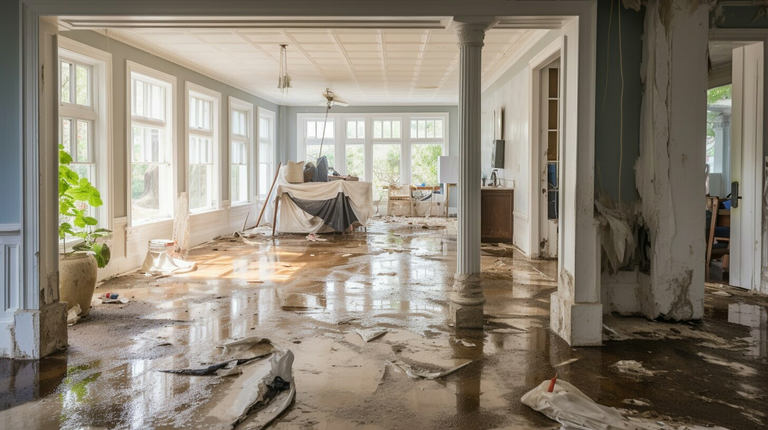
Do I need a structural engineer for water damage insurance claim?
3 min read
Here’s why you might need a structural engineer for a water damage claim:
1. Assessing Structural Damage from Water
Why: Water damage can affect various structural elements, including foundations, framing, load-bearing walls, floors, roofs, and beams. If water has infiltrated the structure, it can weaken materials like wood, steel, and concrete, potentially compromising the building’s stability.
Action: A structural engineer can inspect the affected areas, determine the extent of the damage, and assess whether the building’s structure is still safe to inhabit or whether repairs are needed. They can also check for long-term effects, such as mold growth or wood rot, which can further degrade the structure over time.
2. Identifying Hidden Damage
Why: Water damage often extends beyond what is visible on the surface. It may affect hidden areas such as the foundation, wall cavities, or beneath flooring. Structural engineers are skilled at identifying hidden structural issues caused by water infiltration that could compromise the integrity of the building.
Action: The engineer may use specialized tools (e.g., moisture meters, infrared cameras) to detect hidden water damage inside walls or under flooring. This can be crucial for ensuring the full extent of the damage is documented for your claim.
3. Determining Safety and Stability
Why: In some cases, water damage can make parts of the building structurally unstable. For example, water can weaken wood beams, cause foundation settling, or erode the foundation in extreme cases. A structural engineer can assess whether it’s safe to continue using or occupying the building or if it needs to be shored up temporarily.
Action: The engineer will inspect areas like foundations, load-bearing walls, and structural supports to ensure the building is structurally safe to enter or remain in. If necessary, they can recommend temporary stabilization to prevent further damage.
4. Documenting the Damage for the Insurance Claim
Why: For an insurance claim, detailed, professional documentation of the damage is essential. Insurance companies require an accurate, expert assessment to determine the cost of repairs and whether the damage is covered by the policy. A structural engineer’s report can provide this level of detail, especially when the damage involves complex or hidden structural elements.
Action: The structural engineer will provide a written report outlining the nature and extent of the structural damage caused by water. This documentation can help substantiate your claim and ensure you get fair compensation for the necessary repairs.
5. Recommendations for Repairs
Why: After assessing the damage, a structural engineer can provide recommendations on how to repair or restore the structural components of the building. This ensures that the repairs are done safely, effectively, and in compliance with building codes.
Action: The engineer can suggest how to reinforce or replace damaged parts of the building, such as support beams, foundation walls, or floor framing, and how to prevent further damage from moisture infiltration. Their input is essential for ensuring that repairs restore the building to a safe and stable condition.
6. Ensuring Code Compliance
Why: When making structural repairs, it’s crucial to comply with local building codes and safety standards. A structural engineer can ensure that any repair work adheres to these codes, preventing future problems and ensuring the building is legally compliant.
Action: The engineer will make sure the repair recommendations meet current building codes and safety regulations, which can be important for both the insurance claim and any future inspections or renovations.
7. Disputes with Insurance Adjusters
Why: Sometimes, insurance adjusters may not fully recognize the extent of water damage to the building’s structure, especially if it’s hidden or not immediately apparent. Having a structural engineer’s report can help resolve disputes and ensure the insurance company compensates for the full extent of the damage.
Action: If there’s a disagreement between you and the insurance company about the cause or extent of the damage, the structural engineer’s independent assessment can provide objective evidence to support your claim.