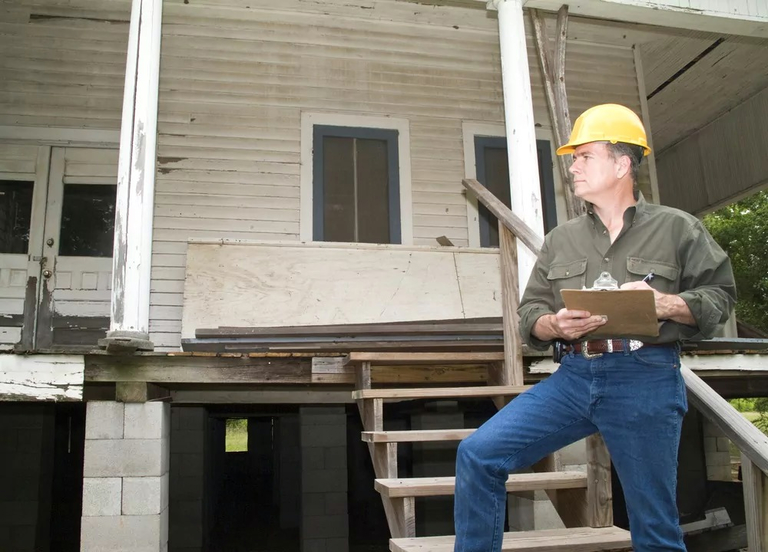
Here’s why you might need a structural engineer for storm damage:
1. Assessing Structural Integrity After Storm Damage
Why: Storms, particularly intense ones, can cause serious damage to the roof, walls, foundations, beams, windows, and framing of a building. Wind, water, and debris can weaken load-bearing elements, lead to shifting foundations, or cause structural components to collapse or break.
Action: A structural engineer will:
Inspect the roof for wind damage or missing shingles, tiles, or structural deformations.
Assess the walls and foundation for cracks, shifts, or instability.
Evaluate load-bearing beams and columns for possible warping, bending, or damage.
Examine framing to identify damage to the structure that could compromise stability.
2. Identifying Hidden Damage
Why: Storm damage may not always be immediately visible, especially if the building has experienced significant wind, water, or debris impact. The force of the storm can affect components like floor joists, trusses, and framing, which may not show obvious signs of damage right away but can result in long-term structural instability.
Action: A structural engineer can identify hidden damage, such as:
Cracks or shifting foundations caused by heavy winds or flooding.
Structural deformation from wind pressure or flying debris.
Water damage to wood framing, flooring, or structural supports that may weaken over time.
3. Determining Safety and Stability
Why: After a major storm, the building may be unsafe due to compromised structural elements. For instance, a damaged roof could be at risk of further collapse, or weakened walls may not be able to support the load of the building.
Action: The structural engineer will assess:
Overall stability of the structure, including foundation, roof, load-bearing walls, and framing.
Whether the building can be safely occupied or if it requires temporary stabilization before repairs are made.
If there are immediate safety concerns, such as sagging rooflines or cracking walls, that need to be addressed immediately.
4. Documenting Damage for Insurance Claims
Why: Insurance claims for storm damage often require detailed documentation of the structural damage caused by the storm. A structural engineer can provide an objective, professional assessment of the extent of the damage, which is essential for ensuring a fair settlement.
Action: The structural engineer will:
Provide a detailed report on the structural damage to key components, such as the foundation, roof, and load-bearing walls.
Include photographs, drawings, and measurements to clearly document the damage.
Offer recommendations for necessary repairs, which can be crucial for insurance claims and restoration planning.
5. Recommending and Overseeing Repairs
Why: Depending on the extent of the storm damage, repairs to the structure may require expertise to restore the building to a safe, stable condition. The storm might have damaged foundations, roofing, or framing, and professional repairs are necessary to restore structural integrity.
Action: The structural engineer will:
Recommend structural repairs, such as reinforcing beams, columns, or walls, and replacing damaged roofing or foundation components.
Oversee the repair process to ensure that the repairs are completed according to building codes and safety standards.
Suggest preventative measures to reduce the risk of future storm damage, such as reinforcing roofs or installing impact-resistant windows.
6. Ensuring Code Compliance for Repairs
Why: Repairs made after storm damage must comply with local building codes, especially in areas prone to severe weather events. This is important to ensure that the structure can withstand future storms and to meet safety standards.
Action: The structural engineer will ensure that the repairs:
Meet building code requirements, including storm-resistant measures and appropriate reinforcement for the local climate.
Use materials that are rated for the expected environmental conditions, such as hurricane-resistant roofing or impact-resistant windows.
Comply with any updated storm protection regulations specific to your area.
7. Resolving Disputes with the Insurance Adjuster
Why: If there are disagreements with the insurance company about the extent of the damage or the cost of repairs, a structural engineer’s expert opinion can help resolve the issue. The insurance company may not always recognize the full extent of the structural damage caused by the storm.
Action: The structural engineer’s report can:
Provide objective evidence of the extent of the damage.
Help clarify the structural impact of the storm and the necessary repairs, ensuring a fair settlement.
Act as an independent third-party expert in case of any disputes with the insurer.