Do I need a structural engineer for roof damage insurance claim?
3 min read
Here’s why a structural engineer might be necessary for a roof damage insurance claim:
1. Assessing Structural Damage
Why: Roof damage can sometimes compromise the structural components of your home or building. For example, roof trusses, rafters, load-bearing beams, and roof decks may be weakened by storms, wind, or age. If these structural elements are compromised, it can affect the entire building’s stability.
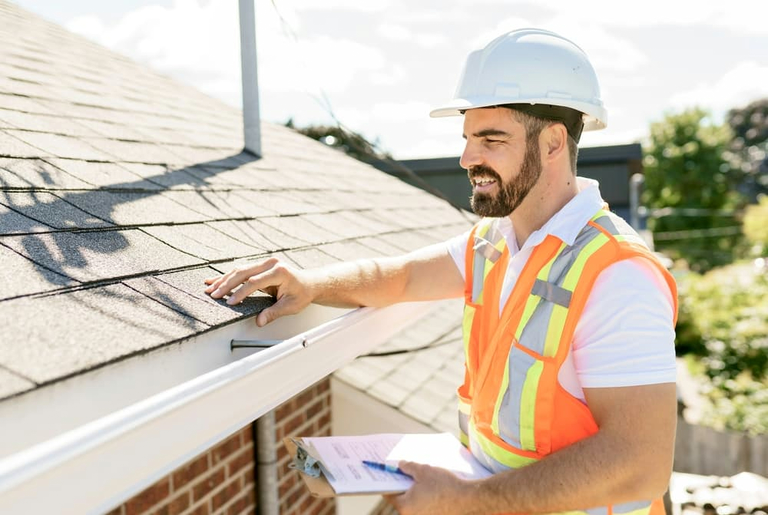
Action: A structural engineer will inspect the roof and underlying structural components to determine whether the roof’s damage is purely cosmetic (like missing shingles) or whether it has impacted the structural integrity (e.g., weakened trusses, sagging beams, or shifted framing). They’ll provide an expert evaluation of the damage’s extent.
2. Identifying Hidden Damage
Why: Roof damage isn’t always limited to what you can see from the outside. Internal damage can include issues like water infiltration, mold, weakened framing, or even structural movement. A structural engineer can detect hidden damage that may not be immediately visible but could lead to bigger problems later.
Action: The engineer may use tools like moisture meters or infrared cameras to detect hidden water damage or structural weaknesses caused by prolonged leaks or a poorly supported roof structure.
3. Determining Safety and Stability
Why: In some cases, roof damage can affect the safety and stability of the building. If there are signs of sagging, shifting, or instability in the roof structure, it could pose a safety risk for occupants. A structural engineer is needed to assess whether the building is still safe to inhabit.
Action: The engineer will evaluate whether the damage has compromised the roof’s ability to support its load, especially in the case of snow load, wind pressure, or water retention. They may recommend temporary stabilization measures to prevent further damage or collapse.
4. Documenting the Damage for the Insurance Claim
Why: Insurance companies require detailed, objective documentation to process your claim and determine the payout. A structural engineer can provide this level of detail, especially when roof damage is complex or involves hidden structural issues.
Action: The engineer will provide a written report that outlines the roof’s damage, including photographs, drawings, and a description of affected structural components. This documentation will be vital for supporting your insurance claim.
5. Recommendations for Repairs
Why: Roof damage, especially when it involves structural components, often requires specialized repairs. A structural engineer can help determine the best approach for restoring the roof’s structural integrity.
Action: The engineer will recommend repair methods, such as reinforcing roof trusses, replacing load-bearing beams, or adjusting framing to ensure the roof is safe, weather-resistant, and long-lasting. They may also suggest repairs that improve the roof’s storm resistance if the damage was caused by a storm.
6. Ensuring Code Compliance for Repairs
Why: Any repairs to the roof or the structural components supporting it must comply with local building codes and safety standards. Structural engineers ensure that the work meets current standards, which is important for both the insurance claim and the long-term safety of the building.
Action: The engineer will ensure that the recommended repairs follow building codes, including the need for wind resistance or snow load requirements, and any other structural or storm-related standards that might apply.
7. Resolving Disputes with the Insurance Adjuster
Why: Sometimes, the insurance company or its adjuster may downplay the severity of the roof damage or not fully recognize its structural impact. A structural engineer’s report can help support your claim if there’s a dispute about the extent of the damage or the cost of repairs.
Action: If you feel the insurance company is not offering a fair settlement, the engineer’s independent assessment can provide crucial evidence to show the full extent of the damage, ensuring you receive appropriate compensation for the necessary repairs.