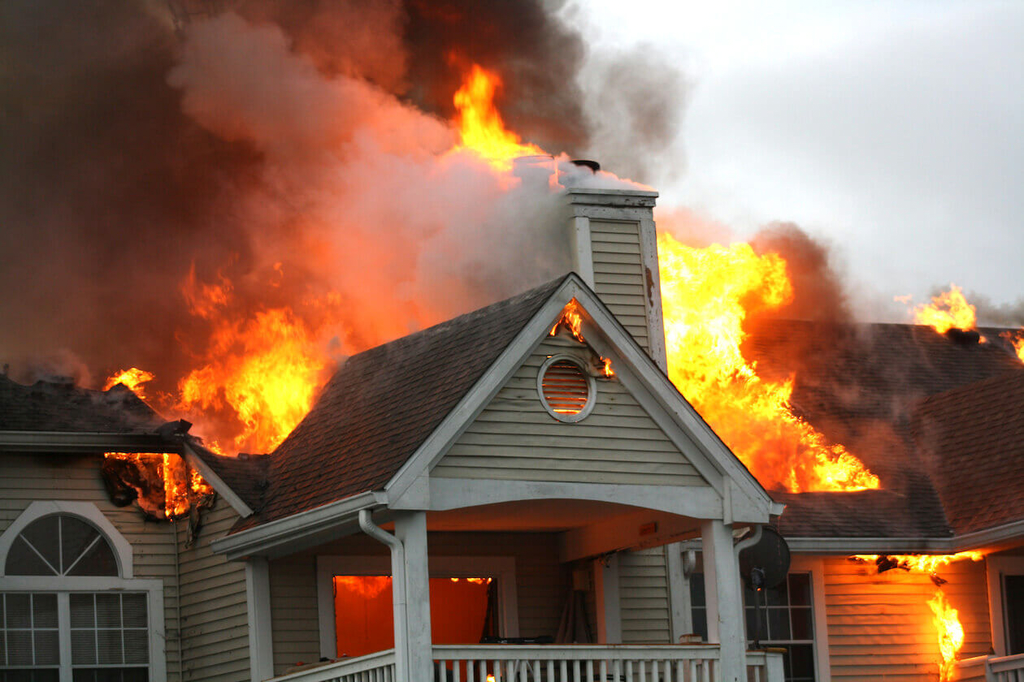
Do I need a structural engineer for fire damage insurance claim?
3 min read
Here’s why a structural engineer might be necessary for a fire damage claim:
1. Assessing Structural Damage
Why: Fires can weaken structural elements of a building, such as foundations, load-bearing walls, beams, and roof trusses. A structural engineer can evaluate the integrity of these components, identify any potential risks, and determine whether any parts of the structure need to be repaired or replaced.
Action: The engineer will inspect the building to identify any hidden damage that may not be immediately visible, such as weakened foundation or framing elements that could compromise the building’s safety.
2. Documenting the Damage for the Insurance Claim
Why: Insurance companies typically require detailed documentation of the fire damage in order to process a claim. A structural engineer can provide an objective, professional assessment of the damage, which can help substantiate your claim.
Action: The engineer will prepare a written report detailing the extent of structural damage, the safety risks involved, and recommendations for repair or replacement. This report is often essential for insurance adjusters to determine the cost of repairs and whether the damage is covered under your policy.
3. Ensuring Safety and Compliance
Why: Fire damage can sometimes leave parts of the building unsafe to occupy or live in. A structural engineer will ensure that the building is safe to enter, and if repairs are needed, that they are up to building code and safety standards.
Action: The engineer will assess whether the building can be safely inhabited or if it needs to be shored up or temporarily secured until repairs are made. They’ll also ensure that any repairs done to the structure comply with local building codes and fire safety regulations.
4. Evaluating the Need for Temporary Support or Shoring
Why: After a fire, certain parts of the structure may be at risk of collapsing or further deterioration. A structural engineer can determine if temporary support or shoring is needed to stabilize the building while repairs are underway.
Action: The engineer may recommend specific protection measures to keep the building stable and secure until a full repair can be completed, which is often necessary in cases of severe structural damage.
5. Coordinating with Insurance Adjusters
Why: Insurance companies typically send an adjuster to assess the damage, but their expertise may be limited when it comes to structural damage. A structural engineer can collaborate with the insurance adjuster to provide a professional opinion on the severity of the damage and the required repairs, potentially influencing the outcome of your claim.
Action: The engineer can work alongside your insurance adjuster to align the structural assessment with your claim, ensuring the insurance company understands the full extent of the damage and the cost of repairs.
6. Repair Recommendations
Why: Fire damage often requires complex repairs, particularly to the building’s structural elements. A structural engineer can recommend the correct repair strategies, helping ensure that the work is done properly and the building remains safe in the long term.
Action: The engineer will provide recommendations on how to repair or replace damaged components, ensuring that repairs are done in a way that restores the building’s strength and safety.