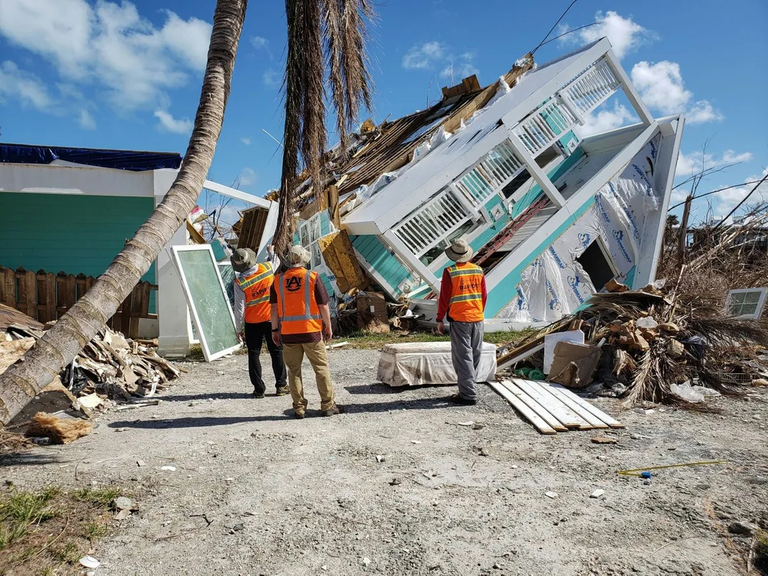
Do I need a structural engineer for hurricane damage?
3 min read
Here’s why you should consider calling a structural engineer after a hurricane:
1. Assessing Structural Integrity
Why: Hurricanes can cause extreme wind, rain, and pressure changes that may damage the structure of your building, particularly load-bearing elements such as roof trusses, walls, beams, and foundation.
Action: A structural engineer will:
Inspect the structural components to identify any damage or signs of weakness, such as cracked or shifted foundations, bent beams, or compromised load-bearing walls.
Determine whether the roof, walls, or foundation are still stable and safe or if they require repair or reinforcement.
Assess the potential for further damage or collapse if repairs are not made.
2. Identifying Hidden Damage
Why: In some cases, hurricane damage may not be immediately visible. Wind or rain can cause hidden structural issues like water infiltration, rot, or mold in hidden areas (attics, crawl spaces, etc.) or beneath structural components.
Action: A structural engineer will:
Look for signs of water damage, such as mold, decay, or rusting in structural elements like steel beams or wooden rafters.
Inspect areas that might not be immediately accessible to determine if there’s any hidden structural damage that could affect the long-term stability of the building.
3. Ensuring the Building Is Safe
Why: After a hurricane, it is crucial to ensure the building is safe for occupancy. Structural damage may affect the stability of the entire structure, and certain areas could be at risk of collapse.
Action: A structural engineer will:
Verify that the building remains stable and identify any immediate hazards, such as compromised roof structures or flooded foundations that could cause a collapse.
Conduct a structural evaluation and advise on whether it’s safe for people to return to the building.
4. Calculating Repair Costs and Scope
Why: Determining the scope of repairs and associated costs is essential for insurance claims or rebuilding efforts. A structural engineer can help assess the damage and estimate the costs involved in repairing or replacing structural elements.
Action: The structural engineer will:
Provide a detailed assessment of the structural damage and recommend repair or reconstruction plans.
Offer estimates of repair costs, including materials and labor, so that you can proceed with your insurance claim or reconstruction efforts.
Ensure that the repairs comply with local building codes and safety standards.
5. Preparing for Future Protection
Why: A structural engineer can help ensure that your building is better equipped to withstand future hurricanes. Hurricane-proofing or strengthening the structure against future storms may involve reinforcing walls, adding hurricane straps, or improving roof framing.
Action: The structural engineer will:
Assess the building’s resilience to future storms and recommend upgrades such as hurricane-resistant windows, reinforced roofing, or foundation strengthening.
Help implement mitigation strategies to reduce the risk of future hurricane damage.
6. Documenting Damage for Insurance Claims
Why: Insurance companies may require detailed assessments from professionals to process claims for hurricane damage. A structural engineer can provide objective documentation that supports the extent of the damage.
Action: The structural engineer will:
Create a report that documents the damage to structural elements, including photos, drawings, and notes.
Provide documentation that can be used to help with insurance claims, ensuring that the claim is processed accurately and efficiently.
7. Verifying Code Compliance and Rebuilding Plans
Why: If you’re rebuilding or making significant repairs, the new construction must comply with local building codes and regulations, which may have changed after a hurricane event.
Action: A structural engineer will:
Ensure that your rebuilding plans are designed to meet updated building codes, especially those related to hurricane resistance.
Recommend any changes to make the structure more hurricane-resistant and comply with any new safety regulations.