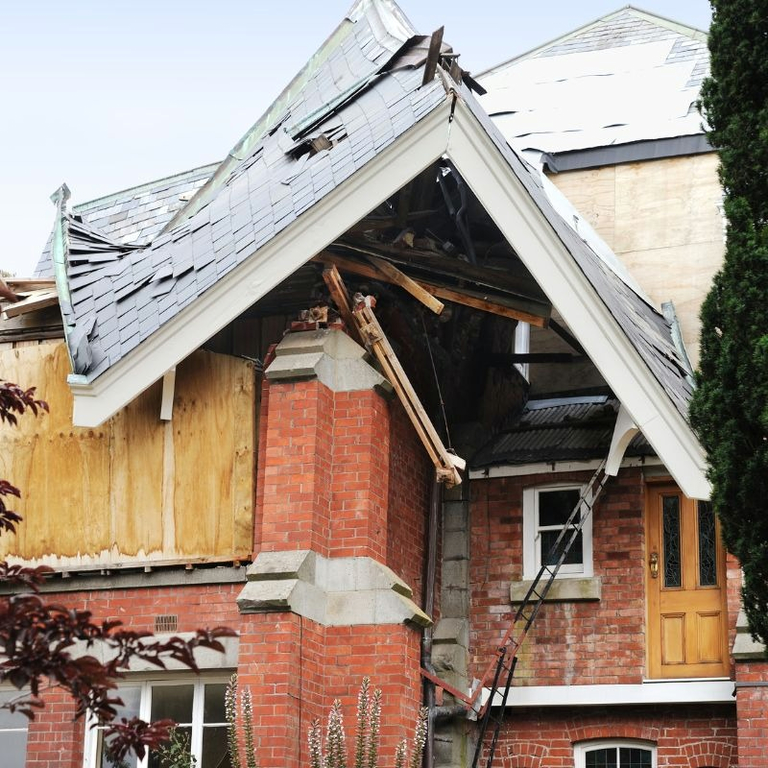
Here are some reasons why you might need a structural engineer for roof damage:
1. Assessing Structural Integrity After Roof Damage
Why: Roof damage can affect not only the roofing materials but also the underlying structural framework, such as rafters, trusses, and support beams. Severe storms, high winds, or even long-term wear and tear can compromise the strength of the roof structure.
Action: A structural engineer will inspect the entire roof structure to assess:
Damage to trusses, rafters, or support beams that may have been bent, broken, or shifted.
Deformation or warping of the roof structure due to pressure, such as from heavy snow, wind uplift, or other forces.
Potential structural risks related to water leaks that may have weakened beams or framing over time.
2. Determining Safety and Stability
Why: After roof damage, it is important to ensure the building remains safe and stable. For example, damaged trusses or a compromised roof deck can lead to further instability, or even collapse, if not repaired properly.
Action: A structural engineer will evaluate:
Whether the roof is stable or if there is a risk of collapse or structural failure due to the damage.
If the damage extends to other parts of the building, such as walls or the foundation, which may have shifted or been weakened due to roof load changes.
3. Identifying Hidden Damage
Why: Roof damage might not always be visible or obvious, especially if there’s damage to structural components that are hidden beneath the roofing materials. Problems like water damage, mold, or rot in the framing, trusses, or beams may be difficult to detect until significant damage has occurred.
Action: A structural engineer can:
Inspect hidden areas like attics or rafters for signs of water damage, decay, or mold that might compromise the roof structure.
Identify deformation or weakening of structural components that could affect the building’s stability.
4. Ensuring Proper Repairs
Why: If the roof damage is extensive, the repairs must be carried out with expertise to ensure the roof is restored to a safe and stable condition. This may involve replacing damaged trusses, reinforcing beams, or upgrading the roof to meet current building codes for wind resistance or snow load.
Action: The structural engineer will:
Recommend appropriate repairs to restore the structural integrity of the roof.
Ensure the repairs are done to meet local building codes and safety standards.
Oversee the repair process to make sure everything is fixed correctly, from replacing damaged trusses to reinforcing the roof deck.
5. Assessing Roof Load Capacity
Why: If the roof has sustained significant damage, it may no longer be able to support its original load capacity (e.g., snow, debris, or even roofing materials). In some cases, it may be necessary to reinforce the roof or replace certain components to ensure it can safely bear the load.
Action: A structural engineer will:
Evaluate whether the roof load capacity has been compromised and whether any reinforcement is necessary.
Assess the load-bearing capacity of existing beams or trusses to determine if they need to be replaced or strengthened.
Recommend upgrades or modifications to meet current load-bearing requirements.
6. Documenting Damage for Insurance Claims
Why: Insurance companies often require detailed documentation from a structural engineer to process claims for roof damage. Having an expert provide an objective assessment and accurate reporting can help ensure a fair payout for repairs.
Action: A structural engineer will:
Provide a detailed report describing the extent of the roof damage, including photos, measurements, and drawings.
Help quantify the necessary repairs and the associated costs, which can assist in securing a fair settlement from the insurance company.
Offer expert testimony if there is a dispute about the severity of the damage.
7. Identifying and Preventing Future Issues
Why: Roof damage can sometimes be a symptom of broader structural issues or poor construction, which could lead to repeated damage in the future. A structural engineer can help you prevent ongoing roof issues and ensure your roof is properly designed to withstand future stresses like wind or snow.
Action: The engineer will:
Evaluate the overall roofing system and design to ensure it is fit for its environment (e.g., wind-resistant materials, proper drainage, etc.).
Recommend upgrades or modifications to improve the roof’s performance in future storms, such as reinforcing or replacing trusses, improving the roof pitch, or adding additional support.