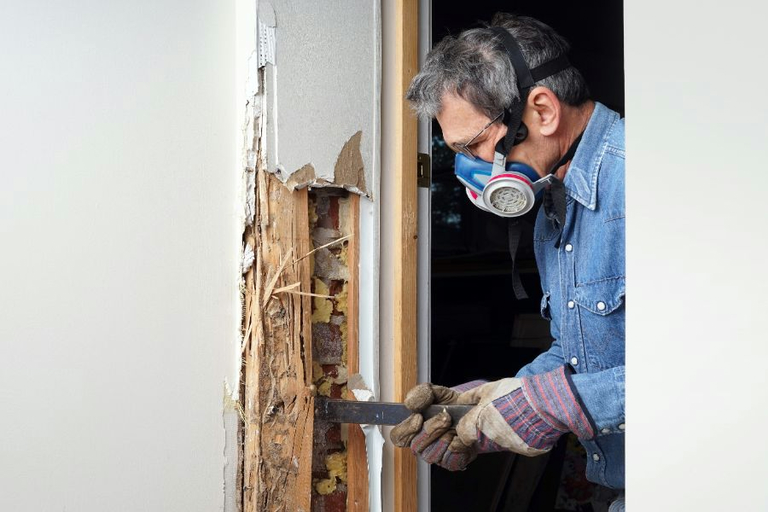
Do I need a structural engineer for termite damage?
3 min read
Here’s why you might need a structural engineer for termite damage:
1. Assessing the Extent of the Damage
Why: Termite damage can be hidden, especially in areas like walls, ceilings, and under flooring. The damage might not be immediately visible, and by the time it’s detected, significant structural weakening could have occurred.
Action: A structural engineer can:
Inspect the building and identify the extent of the termite damage to load-bearing structures (e.g., beams, columns, floor joists, and roof framing).
Determine whether the damage is superficial or has compromised the structural integrity of the building.
Assess hidden damage that could have affected areas like foundation walls or wooden framing.
2. Determining the Impact on Structural Integrity
Why: Termites feed on wood and other materials that provide structural support. If a significant portion of load-bearing elements has been damaged, it could weaken the building’s stability and pose a risk of collapse.
Action: A structural engineer can:
Evaluate whether the termite damage has caused the wooden structures to lose their strength, making them unable to bear loads effectively.
Recommend whether repairs or reinforcements are needed to restore the building’s structural safety.
Advise on whether other parts of the building may also be at risk of further damage if the problem is not addressed.
3. Planning for Repair and Reinforcement
Why: Repairing termite damage is more than just replacing damaged wood. You may need to reinforce or redesign sections of the structure to ensure it remains safe and compliant with building codes.
Action: A structural engineer can:
Help design a repair plan that not only replaces damaged components but also reinforces the structure to prevent future damage.
Specify the type of materials and construction techniques required to restore the structure’s strength.
Provide an assessment of whether any structural modifications are necessary for improving the building’s overall integrity.
4. Inspecting Hidden or Hard-to-Reach Areas
Why: Termites often infest areas that are difficult to inspect or access, such as crawl spaces, attics, and behind walls. Damage in these areas might not be visible to homeowners or contractors.
Action: A structural engineer can:
Perform a thorough inspection of hidden areas and assess whether termite damage has compromised structural components in places that are not immediately visible.
Advise on the need for specialized equipment or techniques (like boroscopes or thermal imaging) to detect hidden termite activity and damage.
5. Ensuring Safety for Occupants
Why: If termite damage has compromised critical structural components (such as beams or load-bearing walls), there may be a risk to the safety of the building’s occupants.
Action: A structural engineer will:
Conduct a safety assessment to determine whether the building is still safe for occupancy.
Provide a professional opinion on whether the damage is severe enough to pose a hazard and recommend immediate actions if necessary.
6. Documenting the Damage for Insurance and Claims
Why: When termite damage is discovered, it’s essential to document the extent of the damage for insurance purposes. Many insurance policies don’t cover termite damage unless it’s part of a broader policy or related to sudden or accidental damage.
Action: A structural engineer can:
Provide documentation of the termite damage, including photos, reports, and assessments that can be used for insurance claims.
Help you understand whether your insurance policy covers the damage or if additional coverage is needed.
7. Preventing Future Damage
Why: If termite damage is not fully repaired, it could continue to affect the structure. Additionally, if the underlying causes of the termite infestation (e.g., moisture issues) are not addressed, the problem could recur.
Action: A structural engineer can:
Recommend preventative measures, such as moisture control or improved drainage, to reduce the risk of future termite infestations.
Advise on long-term strategies to protect the building’s structure from future pest damage.
8. Compliance with Building Codes
Why: Repairs to termite-damaged structures must meet local building codes and standards to ensure that the building is safe, compliant, and marketable.
Action: A structural engineer can:
Ensure that the repairs and replacements of damaged elements are done according to current building codes and industry standards.
Provide recommendations for reinforcement or upgrades that might be necessary to meet code requirements for structural safety.