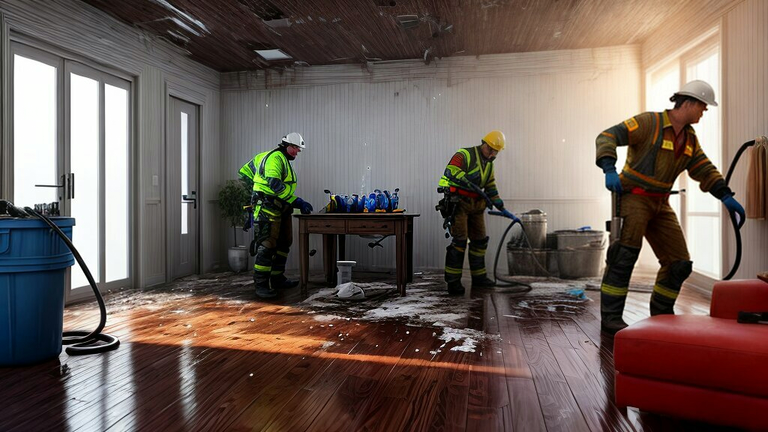
Here’s why you might need a structural engineer for wind damage:
1. Assessing Structural Integrity After Water Damage
Why: Water damage, especially from flooding or long-term leaks, can severely weaken the structural components of your building. It can cause wood to rot, metal to corrode, and concrete or brick to crack or weaken. Over time, water can affect load-bearing elements, such as beams, columns, roof trusses, and foundations, making the building unsafe.
Action: A structural engineer will inspect the damage and assess the extent of the water’s impact on critical structural components, including:
Load-bearing walls, beams, and columns.
Framing or floor joists that may have absorbed moisture.
Foundations that may have shifted or cracked due to water intrusion.
Potential damage to steel supports that may have rusted or weakened.
2. Identifying Hidden Damage
Why: Water can cause hidden damage that may not be immediately visible, particularly if it has infiltrated behind walls or beneath floors. Over time, water can weaken the structure, and signs of damage may only appear after the building has been exposed to moisture for some time. This is particularly common with long-term leaks or flooding, where moisture may have penetrated structural elements.
Action: A structural engineer can identify hidden damage, such as:
Wood rot or mold growth inside framing or floor joists.
Rust or corrosion in metal components like beams or supports.
Cracking or shifting of the foundation or walls due to water-related movement.
Potential settling or shifting caused by water erosion of soil beneath the foundation.
3. Determining Safety and Stability
Why: Water can compromise the safety and stability of a building, particularly if it has caused significant damage to load-bearing components. In some cases, water damage can weaken floors, walls, and supports to the point where the building becomes unsafe. Without professional evaluation, it may not be clear if the building is still structurally sound.
Action: A structural engineer will evaluate the safety of the structure and assess whether any temporary stabilization or shoring is needed to prevent further damage or collapse. They will also assess if any structural movement has occurred that could lead to further instability.
4. Documenting Damage for Insurance Claims
Why: Insurance companies generally require detailed documentation of the damage for claims involving water damage. A structural engineer’s report can provide an objective, thorough assessment of the structural impact of the water damage, which is important for ensuring a fair claim settlement.
Action: The engineer will provide a detailed report that:
Describes the extent of the damage to load-bearing components, framing, and foundations.
Includes photographs, diagrams, and measurements of the affected areas.
Outlines repair recommendations and any safety concerns related to the damage.
Offers an objective assessment to help support your insurance claim.
5. Recommending and Overseeing Repairs
Why: Repairing water damage, particularly structural damage, may require specialized knowledge to ensure the repairs restore the building’s structural integrity. Water damage may have caused warping, rotting, rusting, or shifting of structural components, all of which may need to be addressed in specific ways.
Action: The structural engineer will recommend the necessary repairs, such as:
Replacing or reinforcing beams, floor joists, or roof trusses that have been weakened by water.
Repairing cracks or shifts in the foundation caused by water.
Addressing rust or corrosion in metal supports, or treating wood rot.
Ensuring that any repairs comply with local building codes and safety standards.
6. Ensuring Code Compliance for Repairs
Why: Any repairs made after water damage need to comply with local building codes and safety standards, especially if the damage has compromised the building’s structural elements. A structural engineer will ensure that the repairs are designed and executed according to these codes, which may also include flood-resistant or moisture-resistant measures.
Action: The engineer will ensure that the repairs meet the required building codes and safety standards, ensuring the building is restored to a safe, habitable condition. They may also recommend additional waterproofing or moisture control measures to prevent future issues.
7. Resolving Disputes with the Insurance Adjuster
Why: Sometimes, the insurance adjuster may not fully recognize the extent of the damage or might downplay the severity of the structural issues caused by water. In such cases, having a structural engineer’s assessment can help ensure you receive a fair settlement.
Action: If there’s a dispute with the insurance company, the structural engineer’s report can serve as an independent expert opinion to help clarify the extent of the damage and the necessary repairs, ensuring you receive a fair payout for the claim.